
When embarking on a kitchen renovation, few decisions are as foundational, and as permanent, as selecting your cabinet door style. The cabinets dictate the entire aesthetic—whether your space feels modern, traditional, or perfectly balanced in between. For homeowners and builders prioritizing both quality and value, Ready-to-Assemble (RTA) cabinets have become the industry standard, offering robust construction without the custom price tag.
However, the choice remains: Should you opt for the clean, minimalist lines of Shaker doors, or the traditional, architectural depth of a raised panel design? This decision goes beyond simple preference; it affects light reflection, cleaning requirements, and the long-term flexibility of your kitchen design.
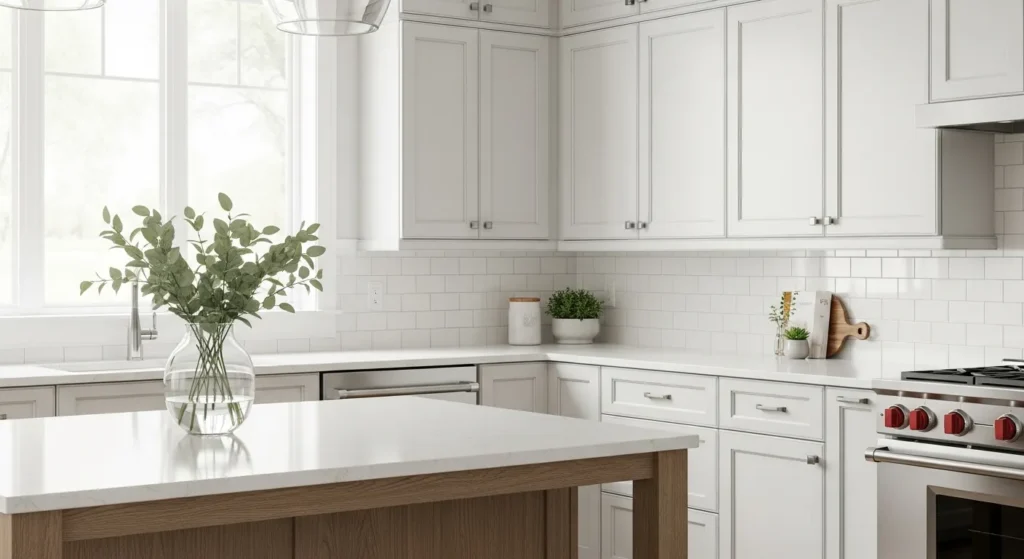
As world-class SEO content specialists and cabinetry experts, we understand that this is more than just a style battle—it’s an investment in your home’s future. This comprehensive guide breaks down the core differences, design implications, and maintenance considerations for the two most popular Cabinet door styles available today: Shaker and Raised Panel.
The Foundation: Why RTA Cabinets Define Modern Renovation
Before diving into the aesthetics, it’s crucial to understand why RTA cabinetry is the smart choice for this foundational investment. RTA cabinets provide high-quality materials—often solid wood frames and plywood boxes—at a significantly lower cost than custom or pre-assembled options. Because they arrive flat-packed, they reduce shipping costs and lead times, putting the power of high-end design into the hands of the consumer.
Choosing RTA doesn’t mean compromising on style. The same meticulous design principles applied to custom cabinetry are reflected in RTA options, allowing you to select between the streamlined elegance of Shaker and the classic profile of the Raised Panel door without sacrificing structural integrity.
Deep Dive into Shaker Style Cabinets: The Minimalist Classic
The enduring appeal of Shaker style cabinets lies in their simplicity. Originating from the 18th-century Shaker religious movement, their design philosophy centers on utility and honesty, translating into a cabinet door that is universally adaptable and eternally relevant.
The Anatomy of the Shaker Door
A Shaker door is defined by its five-piece construction:
- Four Rails and Stiles: These form the perimeter frame of the door, creating a square or rectangular border.
- One Flat Center Panel: Crucially, the center panel is recessed and completely flat, without any beveling or profiling.
This construction creates sharp, clean lines and 90-degree angles that give the kitchen a structured, orderly appearance. Because the design minimizes ornamentation, the focus shifts to the quality of the material, the finish, and the hardware chosen.
Design Versatility and Appeal
Shaker cabinets are arguably the most versatile style available, making them a staple in virtually every design aesthetic:
- Modern/Contemporary: When paired with sleek, matte finishes (like matte black or gray) and minimal hardware (such as integrated pulls), Shaker cabinets blend seamlessly into modern designs.
- Farmhouse/Rustic: In white or light wood finishes, and paired with rustic hardware (like cup pulls), Shaker doors evoke a cozy, classic farmhouse feel.
- Transitional: This is where Shaker truly shines. Its clean lines serve as the perfect neutral backdrop, allowing homeowners to introduce diverse elements—from ornate lighting fixtures to industrial stools—without clashing.
Expert Insight: The Shaker style is the safest long-term investment. Its simplicity ensures it will not look dated, regardless of shifting trends in color or hardware. It acts as a blank canvas for future design evolution.
Maintenance and Longevity of Shaker Style
From a practical standpoint, Shaker cabinets are relatively easy to maintain. The flat, recessed center panel is straightforward to wipe down. However, the 90-degree internal corners where the stiles meet the panel can sometimes accumulate dust and grease if not cleaned regularly. High-quality RTA Shaker cabinets, typically featuring durable paint or thermofoil finishes, resist warping and are built to handle the rigors of a busy kitchen.
Exploring Raised Panel RTA Cabinets: The Traditional Favorite
If the Shaker door is the epitome of minimalism, the Raised Panel door is its architectural counterpart. It speaks to formality, tradition, and a sense of enduring craftsmanship. If you prefer a more ornate, classic look, Raised panel RTA cabinets offer depth and shadow that flat panels simply cannot match.
The Anatomy of the Raised Panel Door
While also a five-piece construction, the key difference lies in the center panel:
- Beveled Edge: The center panel is thicker than the surrounding stiles and rails, and it is cut (beveled) to fit into the frame.
- Depth and Profile: The center panel sits slightly higher than the surrounding frame, creating a dimensional shadow line. This profile can range from a subtle pillow edge to a dramatic, deep bevel.
This added dimension creates visual interest and sophistication, often reflecting light differently across the door’s surface, adding a layer of perceived luxury.
Design Contexts for Raised Panels
Raised panel doors traditionally anchor formal or classical kitchen styles:
- Traditional and Formal: Paired with warm wood stains (cherry, maple) or rich, creamy painted finishes, raised panels are the hallmark of classic American and European kitchen design. They pair excellently with crown molding, corbels, and decorative cabinet feet.
- Cottage/Victorian: Highly detailed profiles and painted finishes (especially soft pastels) can create a cozy, historical feel.
While Shaker cabinets dominate modern transitional spaces, raised panels are making a comeback in certain applications, particularly in large, open-concept homes where the kitchen needs to carry the weight of formal architectural details.
Impact on Kitchen Lighting
One critical factor often overlooked is how the cabinet profile interacts with light. Since the raised panel creates deeper recesses and higher surfaces, it casts more pronounced shadows. This can be beautiful, adding texture to the room. However, in poorly lit or smaller kitchens, these shadows can make the space feel heavier or slightly darker than a kitchen featuring light-reflecting flat-panel Shaker doors.
Shaker vs. Raised Panel: A Direct Comparison Matrix
To help streamline your decision, we compare these two classic styles across the most critical metrics:
Aesthetics and Visual Weight
- Shaker: Light visual weight; feels airy and open; emphasizes horizontal and vertical lines; ideal for small or medium kitchens seeking simplicity.
- Raised Panel: Heavy visual weight; feels grounded and formal; emphasizes depth and craftsmanship; best suited for larger kitchens with ample natural light.
Cost and Manufacturing Complexity
Generally, manufacturing complexity can slightly influence cost, though RTA pricing minimizes this difference significantly. Raised panel doors require more complex routing and finishing processes to achieve the intricate bevels and profiles. Shaker doors, due to their straight lines and simpler assembly, are often marginally more cost-effective to produce, which can sometimes translate into a slight saving.
Cleaning and Maintenance Differences
This is where practicality often outweighs pure aesthetics. The multiple corners and profile changes on a raised panel door mean there are more places for dust, grease, and grime to settle. Cleaning requires more careful attention to the crevices and bevels. Shaker cabinets, while still having corners, offer a flatter, more accessible overall surface for quick cleaning.
Summary of the Style Decision:
- Choose Shaker if: Your goal is versatility, ease of cleaning, a modern or transitional aesthetic, and maximum design flexibility for the next 20 years.
- Choose Raised Panel if: You desire a classic, formal, or traditional look, your kitchen is large, and you appreciate architectural detail and shadow play over simplicity.
Achieving Seamless Transitional Kitchen Design
The term “transitional” describes the blend of traditional warmth with modern minimalism, and it is the dominant style in contemporary home design. The goal is often to achieve a beautiful, functional Transitional kitchen design that avoids being overly trendy or too stuffy.
While Shaker cabinets are the natural fit for this style due to their inherent neutrality, raised panel doors can still be incorporated successfully:
- The Two-Style Approach: Use Shaker doors on the upper cabinets (to keep the space feeling light and open) and use a subtly raised panel design on the lower cabinets or the island (to anchor the space with traditional detail).
- Color Contrast: If using raised panels, choose a crisp, modern color (like a deep navy or stark white) rather than a traditional wood stain. This instantly updates the panel profile.
- Hardware Selection: Modernize raised panels by selecting minimalist linear hardware (long bar pulls) instead of traditional knobs.
Ensuring a Timeless Kitchen Cabinets Investment
Regardless of whether you choose Shaker or Raised Panel, the fundamental goal of a cabinet purchase is longevity, both in durability and style. Choosing high-quality RTA options ensures you have Timeless kitchen cabinets that withstand daily use. However, style choice contributes significantly to long-term satisfaction.
The Role of Color and Finish
If timelessness is your priority, stick to neutral colors. White and light gray cabinets remain the most popular choices because they maximize light and provide a neutral backdrop for changing wall colors, art, and décor. Dark colors (like black or forest green) are incredibly stylish now, but they require a strong commitment to a specific aesthetic. When in doubt, neutrals prevail.
Prioritizing Quality Construction
A beautiful door style is only as good as the box it attaches to. Ensure your RTA cabinets feature:
- Solid plywood construction (no particleboard).
- Durable, furniture-grade finishes.
- Soft-close hinges and drawer slides, which protect the cabinet structure over time.
Conclusion: Making the Final Choice
The decision between Shaker and Raised Panel doors ultimately rests on the overall vision for your home. If your aesthetic leans toward clean lines, adaptability, and modern simplicity, the Shaker style cabinets are the uncontested winner, offering a seamless transition across decades of design trends. If your home features traditional architectural elements and you prefer the depth, formality, and detail of classic design, then the elegance of Raised panel RTA cabinets will provide the richness you seek.
Both styles, when sourced as high-quality RTA units, offer incredible value and durability. By carefully considering the impact of light, maintenance, and long-term design goals, you can select the perfect cabinet door style to serve as the functional and aesthetic centerpiece of your kitchen.
Frequently Asked Questions (FAQ)
Are Shaker or Raised Panel cabinets better for resale value?
Shaker cabinets generally have a slight edge in terms of broad appeal and resale value, particularly in the current market. Because they are the defining feature of the highly sought-after transitional style, they appeal to the largest pool of potential buyers. Raised panels are still desirable, but they cater more specifically to buyers who prefer traditional aesthetics.
What are the common variations of Raised Panel RTA cabinets?
The primary variation is the profile of the raised panel itself. Common profiles include the ‘ogee’ (S-shaped curve), the ‘cove,’ and the ‘beadboard’ center. When selecting RTA, review the profile details closely, as highly detailed profiles will require more diligent cleaning.
Can I mix Shaker and Raised Panel styles in the same kitchen?
Yes, but careful execution is key. A successful mixed design often uses Shaker on the perimeter and a raised panel on a central island. Alternatively, you can use the same style throughout but use different colors or finishes to create visual contrast, which is a safer approach for achieving a cohesive Transitional kitchen design.
Do RTA cabinets come in enough styles to ensure a Timeless kitchen cabinets look?
Absolutely. The RTA industry focuses heavily on classic, enduring Cabinet door styles precisely because consumers want long-term value. Styles like Shaker and classic Raised Panel are staples in RTA lines, allowing homeowners to achieve custom looks without custom pricing, guaranteeing a Timeless kitchen cabinets result.
Which style handles humidity better?
The style itself (Shaker vs. Raised Panel) is less important than the material quality. High-quality RTA cabinets made with solid wood frames and plywood boxes, finished with durable paints or high-quality veneers, will resist humidity and temperature fluctuations equally well, regardless of the door profile.