
The Cabinet Door That’s Actually Worth the Hype
Walk into any design showroom right now and you’ll notice something: the craftsman shaker cabinets are stealing the spotlight. Not because of aggressive marketing or celebrity endorsements, but because homeowners keep pointing at them and saying “that one.” There’s a reason this cabinet door style has quietly become the most requested option among kitchen renovators who want something that feels both current and lasting.
Table of Contents
Here’s what most cabinet guides won’t tell you upfront: the difference between a kitchen that photographs well and one that actually feels good to use often comes down to those small architectural details. The thickness of a door frame. The shadow line created by a slightly deeper reveal. These aren’t the flashy elements that grab attention in a Pinterest scroll, but they’re what makes a space feel considered rather than just assembled.
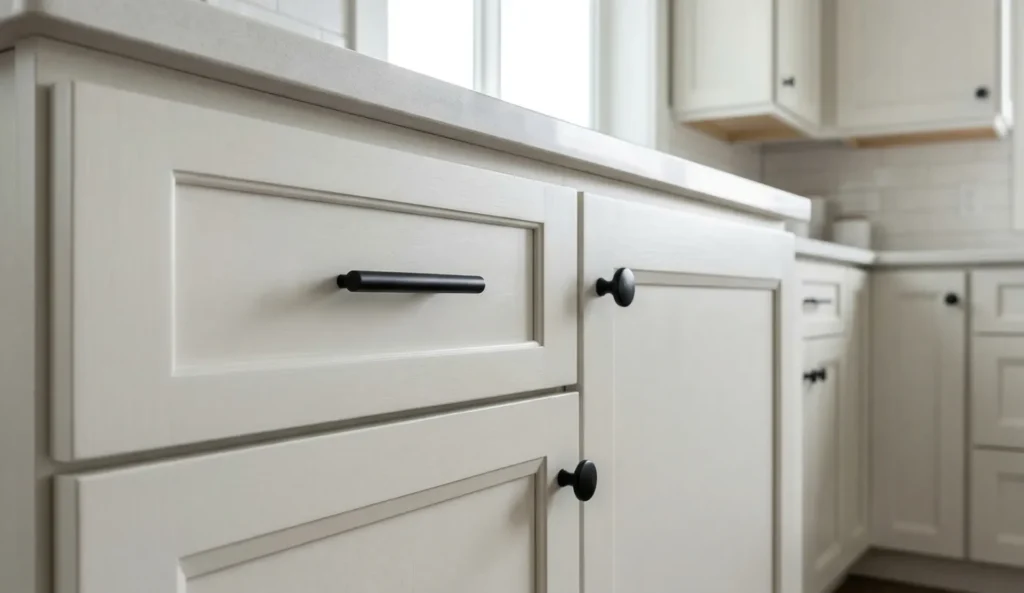
Craftsman shaker cabinets hit that sweet spot. They take the clean, versatile foundation of traditional shaker styling and add just enough heft to create visual weight and character. We’re talking about door frames that measure slightly thicker than standard—think 2.5 to 3 inches instead of the typical 2-inch rail. That half-inch to full-inch difference? It completely changes how light plays across your cabinet faces.
The craftsman approach originated from the Arts and Crafts movement of the early 20th century, which celebrated handcrafted quality and visible joinery. While modern RTA Cabinets from 10 Percent Cabinetry use precision manufacturing rather than hand tools, they capture that same emphasis on substantial, honest construction. The result feels custom without the custom price tag.
What makes this particularly relevant now is the shift away from two extremes that dominated kitchen design for the past decade. On one side, you had ultra-minimalist slab doors with zero ornamentation—sleek, sure, but sometimes cold and destined to look dated the moment the trend pivots. On the other, heavily detailed raised-panel doors that telegraphed “traditional” so loudly they limited your options everywhere else in the kitchen.
Craftsman shaker splits the difference. It offers visual interest and a handcrafted sensibility without committing you to a single aesthetic lane. That versatility matters when you’re making a decision that needs to work for the next 15 to 20 years, not just the next 18 months of Instagram trends.
Think about how you actually experience your kitchen daily. You’re not studying it like a museum piece—you’re opening drawers while juggling grocery bags, wiping down doors after cooking, catching the way morning light hits the cabinet faces while you wait for coffee to brew. Those accumulated moments add up. Cabinet door styles that bring subtle depth and shadow create a space that reveals new details over time rather than announcing everything at once.
And honestly? The practicality angle shouldn’t be overlooked. Thicker door frames hold up better to the inevitable bumps and wear of daily kitchen life. They create a more substantial feel when you open and close doors, which sounds minor until you experience the difference. There’s a reason high-end custom cabinetry almost always features beefier construction—it simply performs better and ages more gracefully.
The trend toward craftsman shaker cabinets also reflects a broader shift in how Americans approach home design. We’re moving past the “everything must match perfectly” era and into something more layered and personal. This door style supports that approach beautifully. It provides a strong foundation that works whether you’re pairing it with modern brass hardware and concrete counters or leaning into warmth with butcher block and vintage-inspired fixtures.
10 Percent Cabinetry has seen this shift firsthand. Customers who five years ago would have defaulted to standard shaker or gone full minimalist are now specifically requesting the craftsman variation. Not because it’s trendy, but because it solves a real design problem: how to create a kitchen that feels intentional and well-crafted without locking yourself into a look that might feel stale in a few years.
What Makes Craftsman Shaker Different From Standard Shaker
Let’s get specific about what you’re actually looking at when you compare shaker cabinet doors to their craftsman cousins. The classic shaker door—beloved for good reason—typically features a flat center panel framed by rails (horizontal pieces) and stiles (vertical pieces) that measure around 2 to 2.25 inches wide. Clean, simple, effective. It’s been a workhorse of kitchen design for decades because it doesn’t fight with other elements in the space.
Craftsman shaker takes that basic formula and turns up the volume just slightly. The frame components widen to somewhere between 2.5 and 3 inches, sometimes even nudging toward 3.5 inches depending on the manufacturer and the overall door size. That might sound like a negligible change on paper. In practice, it’s the difference between a door that sits politely in the background and one that contributes architectural character.
The Shadow Line Effect
Here’s where it gets interesting from a design perspective. When you increase the width of the door frame, you also deepen the reveal where the center panel meets the frame. This creates a more pronounced shadow line, especially when light hits the cabinet at an angle. Those shadows add dimension and keep the door from reading as flat, even when you’re using a simple painted finish.
Professional kitchen designers call this “relief,” and it’s one of those details that separates spaces that feel expensive from those that just look expensive in photos. The human eye picks up on depth and variation, even subconsciously. Craftsman shaker cabinets deliver that relief without requiring carved details, applied moldings, or other ornamentation that can date quickly or clash with certain aesthetics.
10 Percent Cabinetry manufactures their craftsman shaker doors with precise reveals that maintain consistency across the entire cabinet run. That matters more than you might think. Inconsistent reveals—where the shadow line varies from door to door—read as sloppy craftsmanship even to people who can’t articulate what’s bothering them about a kitchen. Quality RTA Cabinets maintain those tolerances so your eye flows smoothly across the installation rather than catching on irregularities.
Proportional Balance for Larger Spaces
Another advantage of the thicker frame becomes apparent in kitchens with taller cabinets or longer runs of cabinetry. Standard shaker doors can start to look a bit delicate or insubstantial when you scale up to 36-inch or 42-inch wall cabinets. The proportions get thrown off. Craftsman shaker maintains better visual balance because the frame width scales appropriately with the increased door size.
This is especially noticeable in open-concept layouts where your kitchen cabinet faces are visible from multiple rooms and viewing distances. From across a living area, standard shaker can almost disappear or read as blank surfaces. The added frame width of craftsman shaker gives the eye something to land on, creating definition without busyness.
The construction approach also differs in meaningful ways. While both styles use mortise-and-tenon or dowel joinery to connect the frame pieces, the beefier dimensions of craftsman shaker doors often incorporate more robust joints. That translates to better long-term stability, particularly in climates with significant humidity swings. Doors are less likely to warp or develop gaps at the corners over time.
Finishing Characteristics Worth Noting
Paint behaves differently on these thicker profiles. The deeper reveals mean more surface area variation, which can create subtle color shifts as light moves across the door throughout the day. If you’re going with a painted finish—and many people choose white or off-white for craftsman shaker cabinets—this adds life and interest to what might otherwise be a very monochromatic installation.
Stained finishes, meanwhile, get to show off the enhanced grain visibility that comes with wider frame components. You’re simply seeing more wood, and on species like oak or cherry, that additional real estate lets the natural character shine through. The center panel remains flat, keeping things from veering into overly rustic or dated territory, while the frame provides enough presence to make the wood selection matter.
One detail that surprises people: the weight difference. Craftsman shaker doors are noticeably heavier than standard shaker, which requires proper hinge selection and installation. Cheap hinges will sag under the load, leading to doors that won’t close cleanly or stay aligned. 10 Percent Cabinetry specs their craftsman doors with appropriately rated hardware that can handle the extra mass, but it’s something to verify if you’re sourcing components separately or working with a different supplier.
The profile thickness also affects how the doors interact with other cabinet elements. For instance, if you’re planning to add glass inserts to some upper cabinets—and we’ll talk more about why that’s an excellent pairing later—the thicker frame provides a more substantial border around the glass. This makes the glass-front cabinets feel intentional rather than like an afterthought or cost-saving measure.
From a manufacturing standpoint, these doors require more material and slightly more complex machining, which is part of why they typically cost a bit more than standard shaker. But we’re usually talking about a 10-15% premium, not double the price. Given the visual and structural advantages, it’s one of the better value propositions in modern kitchen cabinets right now.
Why This Style Works (And Keeps Working)
Let’s talk about the staying power question, because it’s probably on your mind if you’re about to invest serious money in a kitchen renovation. How do you know craftsman shaker cabinets won’t look as dated in five years as those 2010-era glazed cabinets with heavy distressing do now?
The answer lies in understanding the difference between trendy and timeless—a distinction that often gets blurred in design conversations. Trendy elements derive their appeal from novelty and their association with a specific moment in time. Think about the explosion of barn doors in home design around 2015, or the brief period when everyone wanted industrial pipe shelving. These weren’t inherently bad design choices, but their popularity was tied to a cultural moment rather than fundamental design principles.
Craftsman shaker, by contrast, builds on principles that have guided good design for over a century: honest materials, visible craftsmanship, proportional balance, and restraint in ornamentation. These aren’t new ideas suddenly rediscovered by Pinterest. They’re foundational concepts that cycle in and out of prominence but never really go away.
The craftsman style emerged from the Arts and Crafts movement as a reaction against overly fussy Victorian design and the dehumanizing effects of industrial mass production. It championed simplicity, quality materials, and construction methods that celebrated rather than hid how things were made. Sound familiar? That’s essentially the same conversation happening in contemporary design circles right now, just with different vocabulary.
Versatility Across Design Aesthetics
One of the strongest indicators that a design element has real staying power is its ability to work across multiple aesthetic contexts. Craftsman shaker cabinets excel here in ways that more style-specific options simply can’t match. Let’s break down how this plays out in practice.
In a modern kitchen, these cabinets provide just enough detail to keep the space from feeling sterile while maintaining the clean lines that define contemporary design. Pair them with integrated appliances, minimal hardware, and a monochromatic color scheme, and you get a sophisticated, streamlined look. The thicker door frames read as intentional geometry rather than traditional detailing.
Flip the context to a farmhouse or cottage-style kitchen, and the same cabinets take on a completely different character. Suddenly that substantial frame feels handcrafted and rustic. Add some oil-rubbed bronze cup pulls, a farmhouse sink, and open shelving, and the craftsman shaker doors support that aesthetic perfectly without overpowering it or feeling too precious.
Transitional kitchens—which blend traditional warmth with contemporary simplicity—might be where these cabinets shine brightest. They bridge old and new in a way that feels natural rather than forced. You can mix in some glass-front uppers, combine different finish colors on islands versus perimeter cabinets, and layer in various materials without the cabinet doors fighting any of those choices.
This adaptability means you’re not locked into a single decorating path for the life of your kitchen. You can swap out hardware, change wall colors, update lighting fixtures, or shift your accessory palette without your cabinets suddenly looking out of place. That’s real-world value that’s hard to quantify but easy to appreciate when you’re five or ten years into living with a space.
The “Fresh Classic” Appeal
There’s a reason certain cabinet door styles become industry standards while others flame out after a brief moment of popularity. The ones that last manage to feel both familiar and slightly unexpected—classic enough that they don’t shock the eye, but fresh enough that they don’t bore it either.
Standard shaker, while undeniably timeless, has become so ubiquitous that it can read as the default choice rather than an intentional one. It’s what you get when you don’t want to think too hard about cabinet doors. Nothing wrong with that, but it’s not exactly inspiring either. Craftsman shaker gives you that same foundation of versatility and broad appeal while adding a layer of thoughtfulness and character.
When someone walks into a kitchen with well-executed craftsman shaker cabinetry from 10 Percent Cabinetry, they don’t immediately think “oh, those are on-trend cabinets.” They think “this is a well-designed kitchen.” That’s a crucial distinction. The cabinets register as quality and intention without announcing their style category.
Practical Benefits That Matter Daily
Beyond aesthetics, there are functional reasons why this door style keeps winning people over. The thicker frame construction creates doors that feel solid when you handle them. There’s a subtle but meaningful psychological effect when you open a cabinet and it has a reassuring heft rather than feeling flimsy or hollow. It sets an expectation of quality that influences how you perceive the entire kitchen.
Those deeper reveals we mentioned earlier? They also make the doors more forgiving of minor installation imperfections or settling over time. The pronounced shadow lines can help disguise tiny gaps or misalignments that would be glaringly obvious on a flat-slab door. Not that you want poor installation, but real-world houses shift, settle, and move, especially in the first few years after construction or renovation.
The substantial frame also provides more surface area for mounting hardware, which gives you greater flexibility in hardware placement and better pull-out resistance. This matters for frequently accessed cabinets like those holding everyday dishes or pantry items. The door can handle more stress at the mounting points without developing cracks or loosening over time.
From a maintenance standpoint, the profile actually makes cleaning easier in some ways. While there are more surface planes than a slab door, they’re all simple, flat, and accessible. No intricate moldings to trap grease or raised panels with complex curves that require detailed work. A quick wipe-down handles it, which is the kind of practical consideration that becomes more important the longer you live with a kitchen.
And here’s something most articles skip: these cabinets photograph exceptionally well, which matters more than ever in an era where people share their homes on social media and need quality photos for resale listings. The depth and shadow play read beautifully in photographs, adding visual interest without looking busy or dated in images. If you’re thinking about eventual resale value—and most homeowners should at least consider it—modern kitchen cabinets with good bones like craftsman shaker represent a smart investment that will appeal to future buyers across a range of tastes.
How to Actually Make Craftsman Shaker Cabinets Work in Your Kitchen
Here’s where theory meets reality. You’ve decided Craftsman Shaker cabinets are the direction you want to go — now what? The difference between a kitchen that looks professionally designed and one that feels slightly off often comes down to a handful of specific choices most homeowners don’t think about until it’s too late.
Start With Your Upper Cabinets
The upper cabinets set the tone for everything else. And honestly? This is where mixing in a few glass-front doors makes the biggest impact. Instead of a solid wall of wood above your counters, break it up. Two glass doors flanking your range hood. Open shelving on one end, Craftsman Shaker doors on the other. The slightly thicker frame on these doors creates just enough visual weight that glass inserts don’t look flimsy — they look intentional.
One trick that separates amateur installations from designer-level work: use glass doors where you actually want people to look. That means your nicest dishes, not your mismatched coffee mug collection. If you’re not ready to curate what’s behind the glass, stick with solid doors for now. The cabinet door style is forgiving enough that you can always swap a few doors later without the whole kitchen looking disjointed.
Lighting Changes Everything
Under-cabinet LED strips aren’t optional anymore — they’re what makes modern kitchen cabinets look expensive instead of builder-grade. The thicker frame profile on Craftsman Shaker doors casts subtle shadows when lit from below, adding dimension you simply don’t get with thinner shaker styles. It’s a small detail. But it’s the kind of small detail that makes people ask who designed your kitchen.
Inside the cabinets? That’s where it gets interesting. If you’re going with glass-front uppers, add puck lights or LED strips inside those cabinets too. The light bleeds through the glass and creates this warm glow that makes the whole kitchen feel more expensive. Companies like 10 Percent Cabinetry often recommend this setup because it turns functional storage into an actual design feature.
Color Choices That Won’t Haunt You
The beauty of this cabinet door style is that it doesn’t lock you into one aesthetic. But that also means you can overthink the color decision into paralysis. Here’s what actually works in real kitchens, not just on Pinterest boards.
Warm whites and soft grays remain the most versatile. They’re not boring — they’re strategic. A slightly off-white with warm undertones (think cream, not stark white) gives you flexibility with countertop choices and won’t clash when you eventually want to change your backsplash. The frame depth on Craftsman Shaker doors prevents these lighter colors from looking flat or cheap.
Going darker? Navy, charcoal, or even black can look phenomenal, but understand what you’re committing to. Dark shaker cabinet doors need excellent lighting or they’ll make your kitchen feel cave-like. They also show dust and fingerprints more readily. Not a dealbreaker — just something to know going in. The payoff is a kitchen that photographs beautifully and feels intentionally dramatic rather than accidentally dark.
Two-tone kitchens are having a moment, and Craftsman Shaker doors handle this better than most styles. Dark lowers, light uppers. Or the reverse. The consistent frame width across both colors creates visual continuity even when the hues are dramatically different. Just keep the hardware consistent — mixing finishes and colors usually tips into chaos.
The Island Deserves Special Attention
Your kitchen island is the one place where you can take a calculated risk. Same Craftsman Shaker style, but maybe a different color than the perimeter cabinets. Or the same color, but with a different countertop material that you couldn’t afford to run throughout the whole kitchen. The island is where guests congregate, where you take photos, where real estate agents will stand when they’re shooting listing photos someday.
One approach that consistently works: match the island cabinet style to your perimeter cabinets, but use open shelving or a contrasting color on just the ends. It breaks up the bulk of the island without making it look like it belongs in a different kitchen. The clean lines of the Craftsman Shaker profile make this kind of mixing feel cohesive rather than confused.
Hardware That Complements Rather Than Competes
The thicker frame on these doors can handle more substantial hardware than traditional shakers. That doesn’t mean you should go oversized — it means you have options. Aged brass pulls are having a moment and look particularly good against white or navy Craftsman Shakers. Matte black creates sharp contrast without feeling too trendy. Brushed nickel remains the safe bet if you’re worried about longevity.
Here’s what most people get wrong: they pick hardware based on a single door sample under showroom lighting. Bring hardware samples home. Tape them to your existing cabinets. Live with them for a few days. The finish that looked perfect under fluorescent lights might look completely different in your actual kitchen at 7 AM or 7 PM.
Why Craftsman Shaker Is Different From Every Other “Trending” Cabinet Style
Let’s zoom out for a minute. The kitchen cabinet industry churns through trends faster than most homeowners realize. Remember when everyone was ripping out perfectly good cabinets to install distressed, furniture-style pieces? Or when ultra-modern slab doors were supposedly going to make everything else obsolete? Here we are, and shaker cabinet doors — in various iterations — still dominate because they’ve solved a problem most trend-chasing styles haven’t.
That problem? Longevity without boredom.
The Traditional Shaker Dilemma
Traditional shaker cabinets are safe. Almost too safe. They won’t offend anyone, which also means they won’t excite anyone. Walk into a house with standard shaker cabinets and you might not even notice them — and that’s kind of the point. They’re meant to fade into the background, to let other design elements shine.
But here’s what homeowners actually want: cabinets that feel like a design choice, not a default option. They want something with personality that won’t look dated when their neighbor remodels in three years with whatever style comes next. Standard shakers can’t quite deliver that. They’re timeless, sure, but they’re also forgettable.
Enter the Craftsman variation. By adding just slightly more frame thickness and depth, you get visual interest without sacrificing versatility. It’s the difference between a white t-shirt and a well-cut white Oxford shirt — same color, same basic idea, completely different level of intentionality.
What The Design Community Actually Says
Talk to kitchen designers who work on multiple projects a year, and you’ll hear a consistent theme: clients are exhausted by trend cycles. They’ve watched friends install trendy barn doors or open shelving only to rip them out a few years later. The appetite for “statement” kitchens has cooled. What’s replacing it is something more interesting — a desire for modern kitchen cabinets that feel current without screaming “2024.”
Craftsman Shaker doors hit this sweet spot. They’re recognizable enough that they don’t feel experimental, but distinctive enough that they don’t feel builder-grade. Cabinet makers report that once clients see the Craftsman profile next to a standard shaker, they almost never go back. The difference is subtle in a photo, undeniable in person.
This matters more than you might think. One of the biggest mistakes homeowners make is choosing finishes based on photos — either online inspiration or even showroom shots. Cabinets are tactile. The way light hits that slightly deeper frame, the shadow lines it creates, the sense of craftsmanship it conveys — none of that translates in a flat image. It’s why companies like 10 Percent Cabinetry encourage people to request physical samples rather than making decisions based on screen browsing alone.
The RTA Cabinet Revolution
Here’s something most design blogs won’t tell you: kitchen cabinet trends have historically been gate-kept by price. High-end custom cabinets showcased beautiful door styles years before they trickled down to accessible price points. The rise of quality RTA Cabinets (ready-to-assemble) has democratized this completely.
Craftsman Shaker doors used to be a custom or semi-custom option exclusively. Now? You can order them ready-to-assemble, in professional-grade materials, at a fraction of traditional costs. This shift has done more to spread the style than any design trend article ever could. When homeowners can actually afford the cabinets they want, rather than settling for what fits the budget, adoption happens fast.
The quality gap has narrowed dramatically too. Modern RTA manufacturers use the same CNC machinery and finishing processes as traditional cabinet shops. The difference is in the business model, not the product. You’re handling assembly and installation yourself (or hiring it out separately), which cuts the markup significantly. For a style like Craftsman Shaker that relies on precision frame construction, this manufacturing approach actually works beautifully.
What Most People Get Wrong About Cabinet Longevity
There’s this persistent myth that “classic” styles stay relevant longer than “trendy” ones. It’s not quite that simple. Ultra-traditional raised panel cabinets are classic, sure — they’re also the first thing many buyers want to replace because they feel dated and heavy. Slab doors are modern and clean — until they start feeling cold and institutional.
The cabinet door styles that actually age well are the ones that balance recognizable form with enough personality to feel intentional. Craftsman Shaker doors nail this balance. The shaker framework is familiar enough that it won’t shock anyone in five years. The Craftsman details are subtle enough that they won’t scream “early 2020s trend” the way, say, ultra-thick waterfall counters or floor-to-ceiling tile might.
And here’s the thing designers know but homeowners often miss: your cabinets don’t exist in isolation. The style you choose sets the tone for everything else — countertops, backsplash, flooring, lighting. Choose something too trendy, and you’re locked into a very specific aesthetic for all those other elements. Choose something too plain, and you have to work twice as hard with those other elements to create any visual interest at all. Craftsman Shakers give you the middle path — enough character that you’re not starting from zero, enough versatility that you’re not boxed into one look.
The Installation Reality Nobody Mentions
One last piece of industry context that matters: these doors are slightly more forgiving during installation than you’d expect. The thicker frame means minor alignment issues are less visible than they would be on ultra-thin shaker styles or slab doors. That’s not a license to get sloppy — it’s just reality. Kitchen installations are rarely perfect, and the door style you choose will either hide those imperfections or highlight them mercilessly.
Talk to professional installers, and they’ll tell you Craftsman Shaker cabinets are among their favorites to work with. The doors have enough substance that they feel solid, enough detail that they look custom, but they’re not so ornate that every 1/16-inch gap becomes a glaring problem. For DIY installations especially, that margin for error makes a real difference.
Why This Matters More Than Just Picking a Cabinet Door
Let’s be direct about something: your kitchen cabinets will likely outlast your countertops, your backsplash, and possibly your appliances. They’re the biggest visual investment in the room, and the hardest to change once they’re installed. So this decision — the one you’re making right now about Craftsman Shaker cabinets versus other options — carries more weight than picking paint colors or light fixtures.
But here’s what makes it less overwhelming: you’re not trying to predict what kitchens will look like in 2035. You’re simply choosing a foundation that won’t fight you as your taste evolves. And that’s exactly what this cabinet door style delivers.
The kitchens that age best aren’t the ones that follow every trend or the ones that play it completely safe. They’re the ones built on a framework of quality materials and thoughtful proportions — the kind of foundation where swapping out hardware or changing a backsplash can shift the whole vibe without requiring a gut renovation. Shaker cabinet doors in the Craftsman style give you that foundation. The slightly deeper frame creates architectural interest that remains relevant across multiple design phases.
Think about it practically. You install these cabinets today with warm white paint, brass hardware, and marble counters — you’ve got a transitional kitchen with farmhouse leanings. Five years from now, you repaint the same cabinets in charcoal, swap to matte black hardware, add quartz counters — suddenly you’ve got a modern kitchen with industrial edges. Same bones, completely different feel. Try that transformation with ornate raised panel cabinets or ultra-minimalist slabs and you’ll be fighting the architecture instead of working with it.
The Real Cost of Getting This Wrong
Nobody wants to talk about this part, but it matters. Kitchen renovations that miss the mark don’t just cost money — they cost opportunity. You’ve blown your budget on cabinets you’re already tired of, which means you’re stuck with them for another decade minimum. Or you’re selling the house sooner than planned because you can’t stand cooking in that space anymore. Or you’re living with constant low-grade regret every time you walk into the room.
Choosing modern kitchen cabinets in a style like Craftsman Shaker is risk mitigation in the best possible way. You’re not eliminating all risk — nothing does that. You’re stacking the odds heavily in your favor that this investment will still feel right years from now. And in a renovation category known for budget overruns and buyer’s remorse, that peace of mind is worth more than most people realize upfront.
What to Actually Do Next
If you’ve read this far, you’re past the casual browsing phase. You’re seriously considering this direction. Here’s what that next step actually looks like, stripped of the usual sales fluff.
Get physical samples. Not just photos, not just showroom visits where everything looks good under professional lighting — actual door samples you can hold, install temporarily in your space, and live with for a week. 10 Percent Cabinetry and similar RTA providers typically offer sample doors for this exact reason. The investment in a few samples (often refundable toward your order anyway) prevents expensive mistakes.
Map your layout before you fall in love with a color. The most gorgeous navy Craftsman Shaker cabinets will look like a cave if your kitchen gets minimal natural light. That creamy white might be perfect for someone else’s kitchen and completely wrong for yours if you’ve got warm-toned wood floors and brass fixtures fighting it. Context matters more than inspiration photos.
Be honest about your installation capabilities. RTA cabinets save serious money, but they’re not magic. If you’re handy, comfortable with tools, and have help for the heavy lifting, you can absolutely install these yourself and bank the savings. If you’ve never hung a cabinet level in your life, factor professional installation into your budget from the start. The cabinet door style will look identical whether you install it or a pro does — but only if it’s installed correctly.
The Bigger Picture on Kitchen Cabinet Trends
Trends will keep coming. Next year there will be articles about whatever style is “breaking the internet” or “what everyone’s switching to.” Some of those trends will have merit. Most will be noise designed to sell new products to people whose kitchens are perfectly fine.
What separates smart renovation decisions from reactionary ones is asking whether a trend solves an actual problem or just feels new. Craftsman Shaker doors solve real problems: they add visual interest without overwhelming smaller kitchens, they provide enough detail to feel custom without requiring custom budgets, they pair beautifully with the glass-front and lighting elements that make kitchens feel high-end, and they adapt across aesthetic shifts without fighting you.
That’s not trend-chasing. That’s just good design.
Your kitchen should work for your life — how you cook, how you gather, how you want to feel in the space. The cabinets are the backdrop for all of that. Choose a backdrop that’s strong enough to matter but flexible enough to evolve. Choose something that feels like a decision you made, not a default you settled for. And choose quality that will outlast the next five trend cycles, because you’ve got better things to do than renovate your kitchen every few years.
Craftsman Shaker cabinets aren’t going to solve every kitchen challenge. They won’t fix a bad layout or make a tiny kitchen spacious. But they will give you a foundation worth building on — and in a renovation category full of regrets and do-overs, that’s exactly what matters most.